
Lack of Public Water Infrastructure Halts Affordable Housing in Highgate
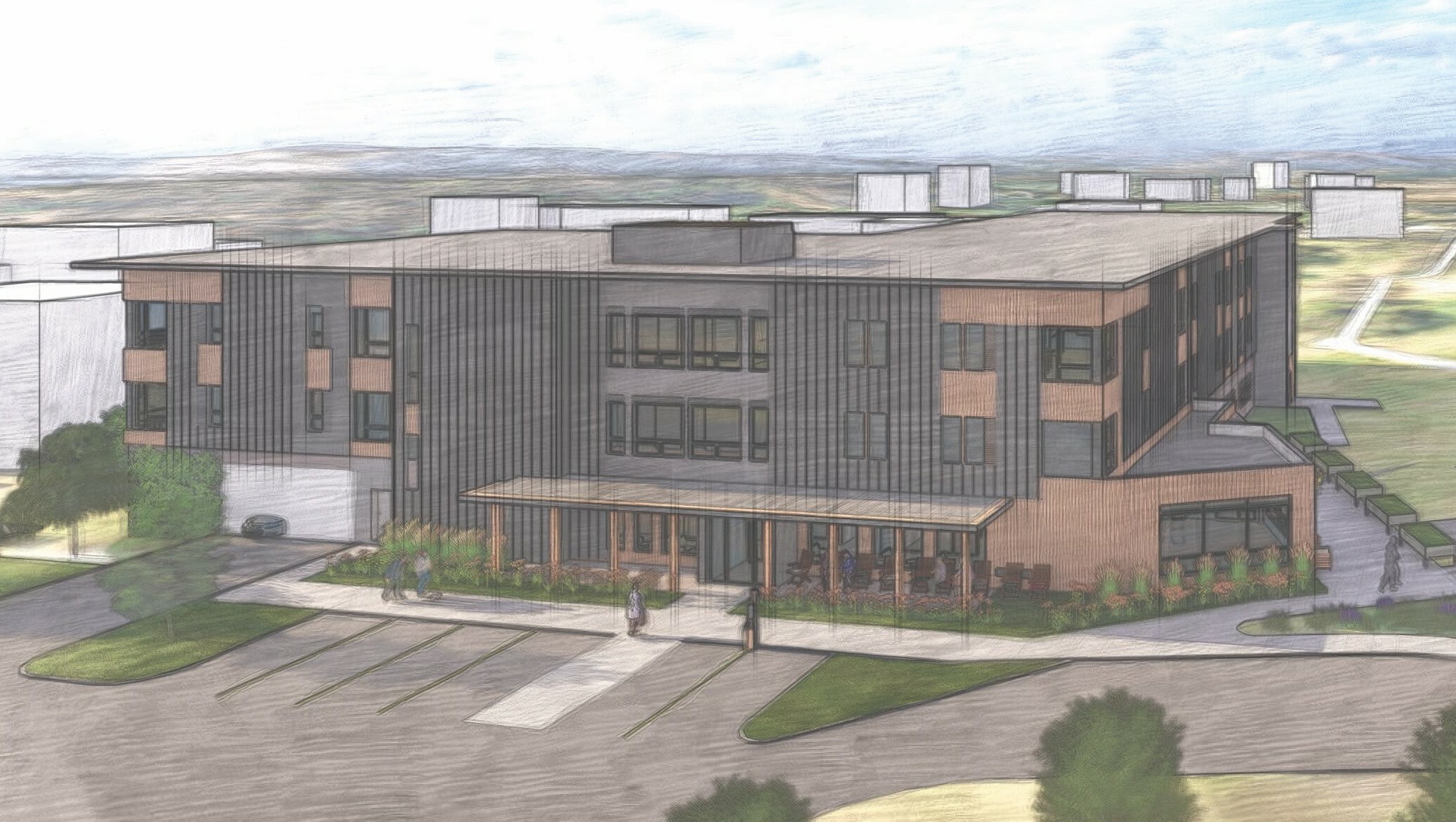
Rending by gbArchitecture
Town and nonprofit partners cite infrastructure barriers common to rural Vermont communities
HIGHGATE, VT – In late 2023, the Town of Highgate asked nonprofit developer Cathedral Square to develop affordable housing for older adults in Highgate as part of the Town’s Village Revitalization project. After years of working together, Cathedral Square and the Town of Highgate have made the difficult decision not to move forward with the proposed 30-unit Highgate Village Housing project, after determining that a public water system to serve the development is not feasible. This unfortunate outcome illustrates the challenges that rural communities in Vermont are facing.
Highgate is an aging community with no affordable housing for older adults. The private sector rental vacancy rate in Franklin County is estimated at 5.4% and the vacancy rate in Highgate is 0%. The shortage of housing leaves few to no options for older residents of Highgate. NRPC’s 2022 Housing Needs Assessment outlined a critical housing shortage and indicated a need for 1,600 housing units in Franklin and Grand Isle Counties to serve older adults with disabilities
“When this project was first proposed, everyone believed a public water source would be available to serve the development,” said Highgate Town Administrator AJ Johnson. “We explored every option we could find, but every path ran into physical limitations, state regulations, or costs that weren't realistic. I'm genuinely disappointed to say the Town is not in a position to develop or provide a public water supply to serve this project.”
Over the past nine years, Highgate made significant progress on its revitalization plans, including zoning updates, land acquisition, design and funding of a wastewater disposal system, and planning and securing funding for environmental remediation.
Cathedral Square had completed a schematic design for the project and secured funding commitments of over $17 million, all with time-sensitive deadlines that could not be met without a clear plan for public water. “We, and our funding partners, are very disappointed,” commented Cathedral Square CEO Kim Fitzgerald, “we worked closely with the Town and regional partners on a shared vision to create some much-needed housing in this rural community. Given the significant need for affordable housing to serve our growing older adult population evidenced by our long waitlist, it’s frustrating to not be able to move ahead. If Highgate is able to develop a public water system in the future, Cathedral Square would be glad to revisit this project.”
NRPC spent countless hours supporting the Town in assessing the feasibility of a public water system to allow this project to move forward, but unfortunately the scale and cost to construct and manage public water systems can make them unreachable for small municipalities. “We will continue to work with Highgate on their community wastewater system, a major undertaking that will break ground early next year and enable new and expanded business and housing opportunities in the village center” said Greta Brunswick, Senior Planner at Northwest Regional Planning Commission.
Highgate is not unique in its lack of water and wastewater infrastructure to support affordable housing in their community. During the last legislative season, the Community and Housing Infrastructure Program, CHIP, a statewide tax increment financing (TIF) tool, was created and was designed to help Vermont communities develop housing opportunities by investing in public infrastructure. Tim Smith, Executive Director of the Franklin County Industrial Development Corporation (FCIDC), stated, “CHIP is a good first step toward directing investment into rural infrastructure to support affordable housing efforts. For small rural towns like Highgate, we need to identify other opportunities as well, if we are going to successfully address the housing needs we are experiencing.”
The Town of Highgate, Cathedral Square, NRPC, and FCIDC have worked closely together throughout this process. While disappointed in this outcome, we remain committed to advocating for the infrastructure, resources, and policies rural communities need to support affordable housing in the future.